I like to think of myself as a bit of an eco-hippy at heart, and I had done the Big Plastic Count before in 2022 and 2024, so I thought: How bad could it be? Dear reader, it was a lot worse than I thought. Not only did I not hold steady compared to previous years – we got through 71 bits of plastic in 2024 – our family gets through more disposable plastic now than ever before, at a shocking 121.
You may be wondering why disposable plastic is a problem in the first place, so I will give you a few stats to paint a picture:
- In the UK alone, households throw away 1.7 billion pieces of plastic per week, or around 90 billion per year
- Only 17% of our plastic is recycled even once. The rest is exported to other countries (14%), buried in landfill (11%), or incinerated (58%).
- Plastic is carbon-intensive to produce, with around 4% of global CO2 equivalents being caused by the production of plastic (Source)
- Plastic doesn’t biodegrade well – it just sits wherever it gets left or washes up, slowly breaking down into small fibres called microplastics, which may have detrimental effects on our health and the environment. Microplastics have been found everywhere from the air to the bottom of the ocean, to the remotest corners of the earth, and deep within the human body (Nature Medicine Editorial)
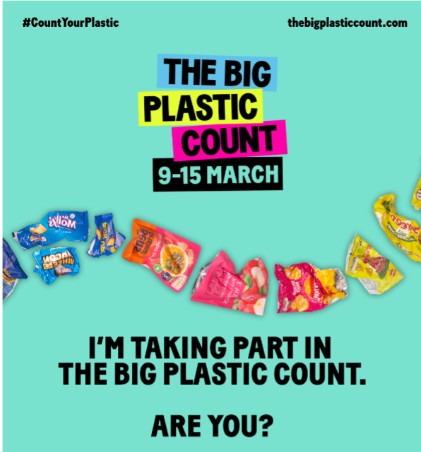
As I can be quite a competitive person, it was personally dismaying to see my high score evaporate before my very eyes, but the truth is plastic isn’t an individual problem – it is growing because shops find it convenient, plastic producers are happy to make more money, and society hasn’t really laid down any rules yet. As an individual, you don’t get a choice in whether your cucumber comes in a plastic sleeve or your toothpaste comes in anything else than a squeezy tube. That’s why the most important thing you can do is write to MPs and ministers and encourage them to support better laws, such as the attempt at the UN Global Plastics treaty last year. Initiatives like the Big Plastic Count help as well, because they shine a light on the scale of the problem.
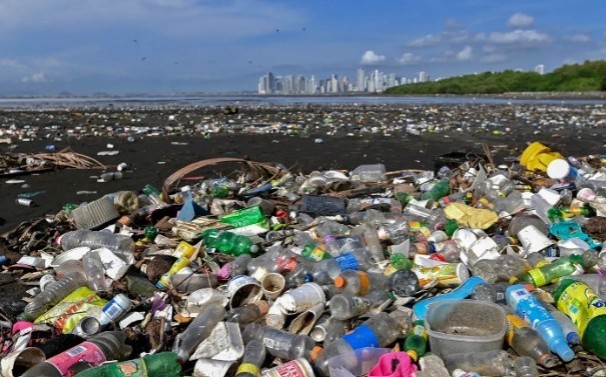
Having said that, I don’t know of any plastic treaties being negotiated at the moment, and there are things you can do to get a better high score reduce your plastic footprint.
Eco Tip
There’s some great low-hanging fruit in plastic reduction:
- Avoid individually-packaged anything. Buy a sharing bag of crisps, get a single big bottle of juice, buy a roll of biscuits and pack them individually into a lunchbox. And: buy things loose, or in cardboard, glass, or tins where you can!
- A huge amount of our microplastic pollution actually comes from washing polyester clothes. Avoid polyester clothes where you can, or if you can’t and you have the money, consider fitting a microplastic filter to your washing machine.
- Pass along old-but-still good clothes, kids’ toys, and household appliances to your friends or to a charity shop. Buy things second-hand. Every plastic item you don’t have to buy new is one less thing to go into landfill!
Thomas Jones
This article originally appeared in the St John’s Messenger. If you would like to discuss contributing a future article please contact news@valebenefice.org.uk.